
Plots in Biscay - buy, sell or rent easily

Find plots by category in Biscay (Province)


Plots for sale with most wanted features


Latest publications of land and houses for sale in Biscay (Province)
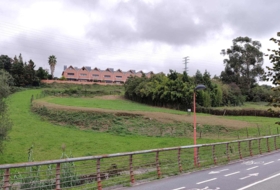


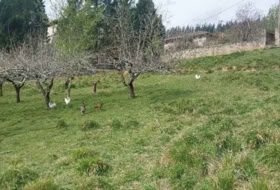
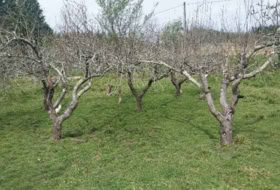
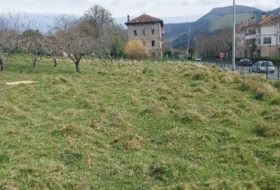
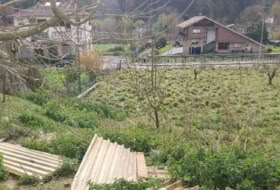
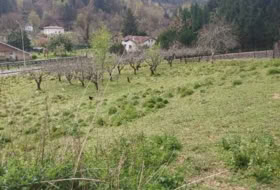
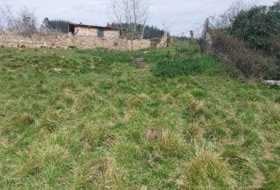
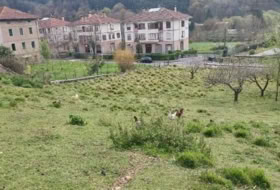
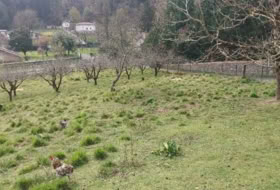
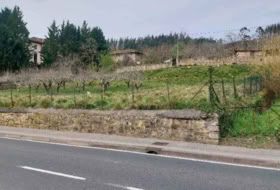


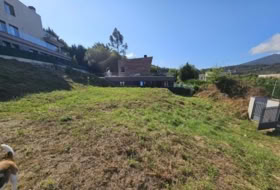
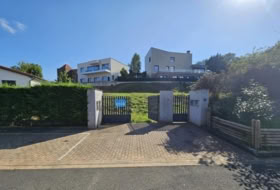
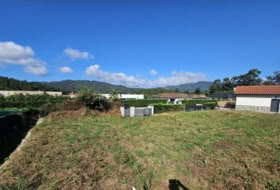
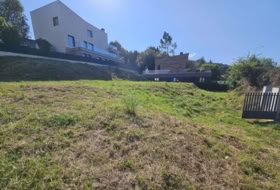
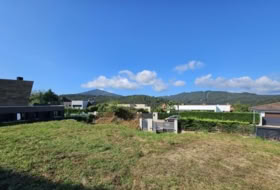
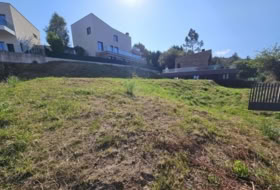

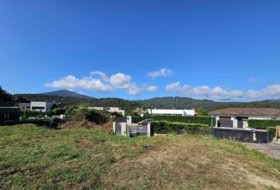




Where to buy land in Vizcaya
Urban land in Vizcaya is expensive because the province has a high population density, which drives up demand and prices. The most expensive urban plots and building plots for sale are found in Abadiano, Baracaldo and Ibarrangelu.
The cheapest land for sale in Vizcaya is in Ereño, Valmaseda and Bermeo. The rustic properties are cheaper than urban land, due to their large supply. In general, they are lands of great value, with a special commitment to organic farming and high-quality timber, fruit and vegetables.
A quality agricultural production
Vizcaya has a total area of 2,217 km² and is the most populous of the three Basque provinces. It enjoys an oceanic climate that enhances the quality of its crops, especially its vegetables. Although its economy is the most service-oriented, its industry develops cutting-edge technology.
Vizcaya has an agricultural area of more than 41,000 hectares and stands out for the quality of the fruit and vegetable production from its market gardens and orchards; its products have received numerous distinctions (Eusko Label or Euskal Baserri), such as the Gernika pepper, the tomato, the beans and lettuce from the Basque Country, chillies from Ibarra, apples and pears or kiwis, among others.
Added to these crops are small and processed fruits, a growing sector, such as blueberries or raspberries, and jams and other products made on small farms.
Ornamental plants are also grown, a sector that is booming thanks to the climate and new technologies. Some of these species are the cyclamen, the poinsettia, the impatiens, the geranium, the euonymus, the laurel, the petunia, the pansy, as well as balsams and marigolds.
Among organic products, vegetables, fruits, livestock, and processed products stand out.
As for the livestock sector, the most distinguished products are beef, chicken, pork and farmhouse (Caserío) eggs, suckling lamb, milk, honey and Idiazabal cheese.
Among native cattle, the outstanding breeds are the Terreño, the Pirenaica, the Betizu and the Monchino; Limousine and Blonde cattle are also raised. Other typical species of the region in the equine field are the Basque Pony (Pottoka) and the Bizel; in sheep, the Sasi Ardi or Carranza Cara Negra sheep, while in goats there is the Azpi Gorri goat.
Sustainable forest management
Vizcaya has a forest area of more than 157,000 hectares, which occupies more than 71% of its entire territory.
In the forest map of Vizcaya, the forest stands out (especially the plantation forest), followed by meadows, pastures, and scrub. The most important species are conifers and broadleaves, including pine forests, mixed Atlantic forests, eucalyptus, beech and holm oak, among others.
Forest management is carried out based on the Regional Forest Certification, to preserve its biodiversity, productivity, and regeneration capacity. In addition, foresters' organizations and associations promote the use of wood with sustainable applications such as biomass, thermally modified wood for ecological use or the marketing of native wood.
Industry and the development of the cities of Vizcaya
The iron mine and the quality of this material, together with shipbuilding, marked the beginning of the industrialization of the province. Later, from the end of the 19th century and during the 20th century, as in neighbouring Guipúzcoa, industry was based on steelmaking, shipyards, capital goods and auxiliary supplies. Urban growth pushed companies to relocate to riverside areas. The sites they left behind became part of the urban fabric and were turned into developable land for residential use. Today, it has an urban area of more than 20,000 hectares, that is, less than 10% of its territory. Its most populous city is Bilbao, its capital.
Currently, the industrial fabric has become technologically advanced and internationalised, turning the province into a hub of cutting-edge technology industry. Even so, it is the Basque territory with the most service-oriented employment.
Vizcaya has a wide range of industrial land, spread over various towns and industrial estates. Its value is growing, especially in the capital.
Vizcaya, despite the importance of its modern industry, stands out for its services sector (commerce, hospitality, communications and other professional activities).


